Room Additions & Garage Conversions
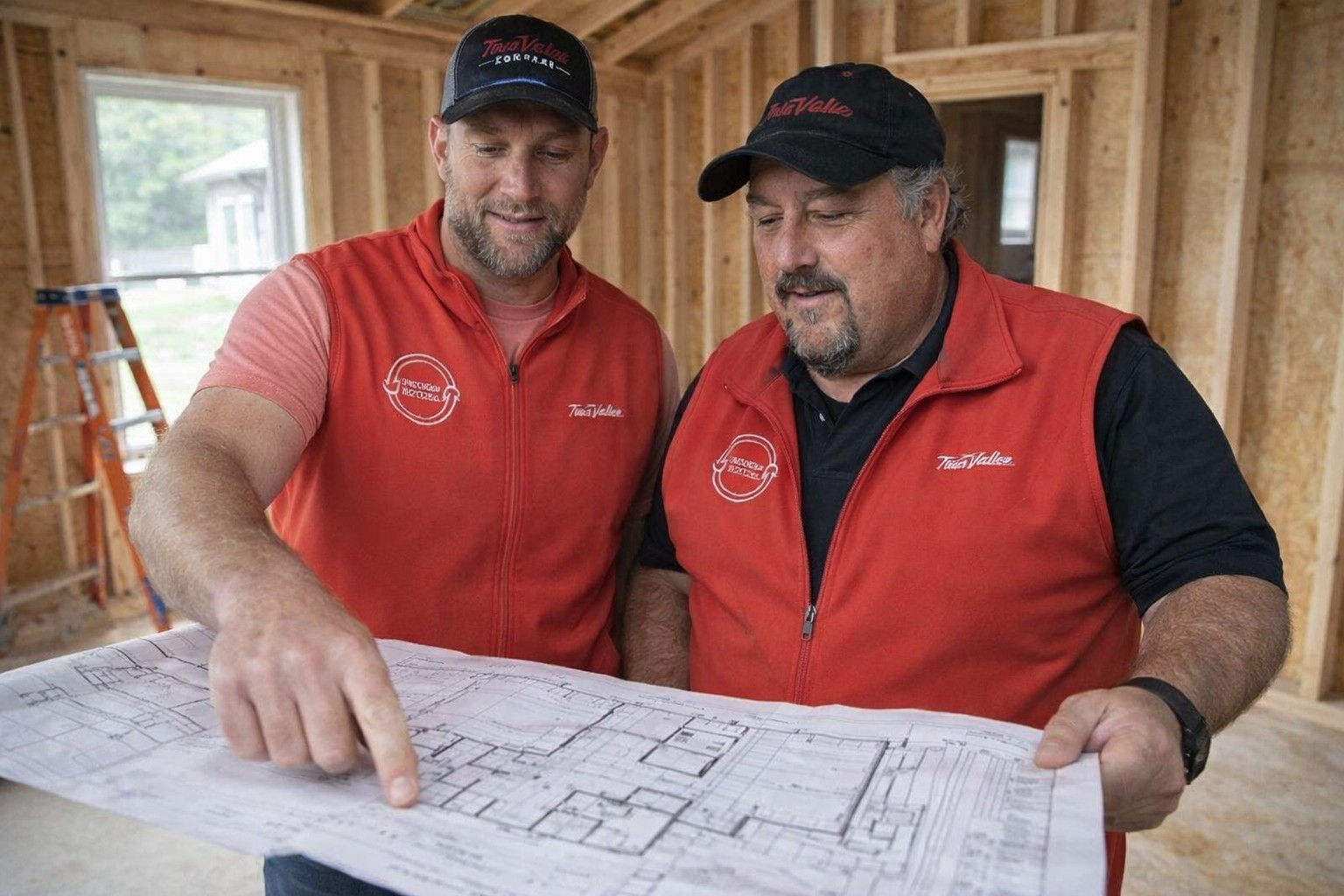
Expand your living space with quality craftsmanship and expert project management.
- Custom Room Additions – Create the extra space your family needs.
- Garage Conversions – Transform underused space into comfortable living areas.
- From Design to Completion – We coordinate every phase of your project.
- Permits & Code Compliance – Professionally managed from start to finish.
ROOM ADDITIONS & GARAGE CONVERSIONS
PLANNING & PRE-CONSTRUCTION – meet with clients to understand needs, budget, and design goals, evaluate existing structure and site conditions, collaborate with architects/designers on plans, prepare cost estimates and project timelines, obtain permits and ensure zoning/building code compliance
DESIGN & ENGINEERING COORDINATION – review blueprints and structural plans, coordinate with engineers (structural, electrical, plumbing, HVAC), plan integration with the existing home (foundation, rooflines, utilities)
SITE PREPARATION – demolition of existing structures if needed, clear and prep the construction area, set up safety measures and temporary barriers
STRUCTIONAL CONSTRUCTION – lay or extend foundation, frame walls, floors, and roof, install windows, doors, and exterior sheathing, tie new structure into existing building seamlessly
SYSTEMS INSTALLATION – rough-in electrical wiring and panel upgrades, install plumbing lines and fixtures, install or extend HVAC systems
INTERIOR & EXTERIOR FINISHING – insulation and drywall installation, flooring, cabinetry, and trim work, interior and exterior painting, roofing and siding to match existing home
PROJECT MANAGEMENT – schedule and supervise subcontractors, order and manage materials, monitor budget and timeline, communicate updates with clients
INSPECTION & COMPLETION – coordinate required inspections (foundation, framing, final, etc.), ensure code compliance throughout the project, address punch list items and final touch-ups, conduct final walkthrough with client
POST-PROJECT – provide warranties and maintenance guidance, handle any follow-up adjustments or repairs
Kitchen Remodeling
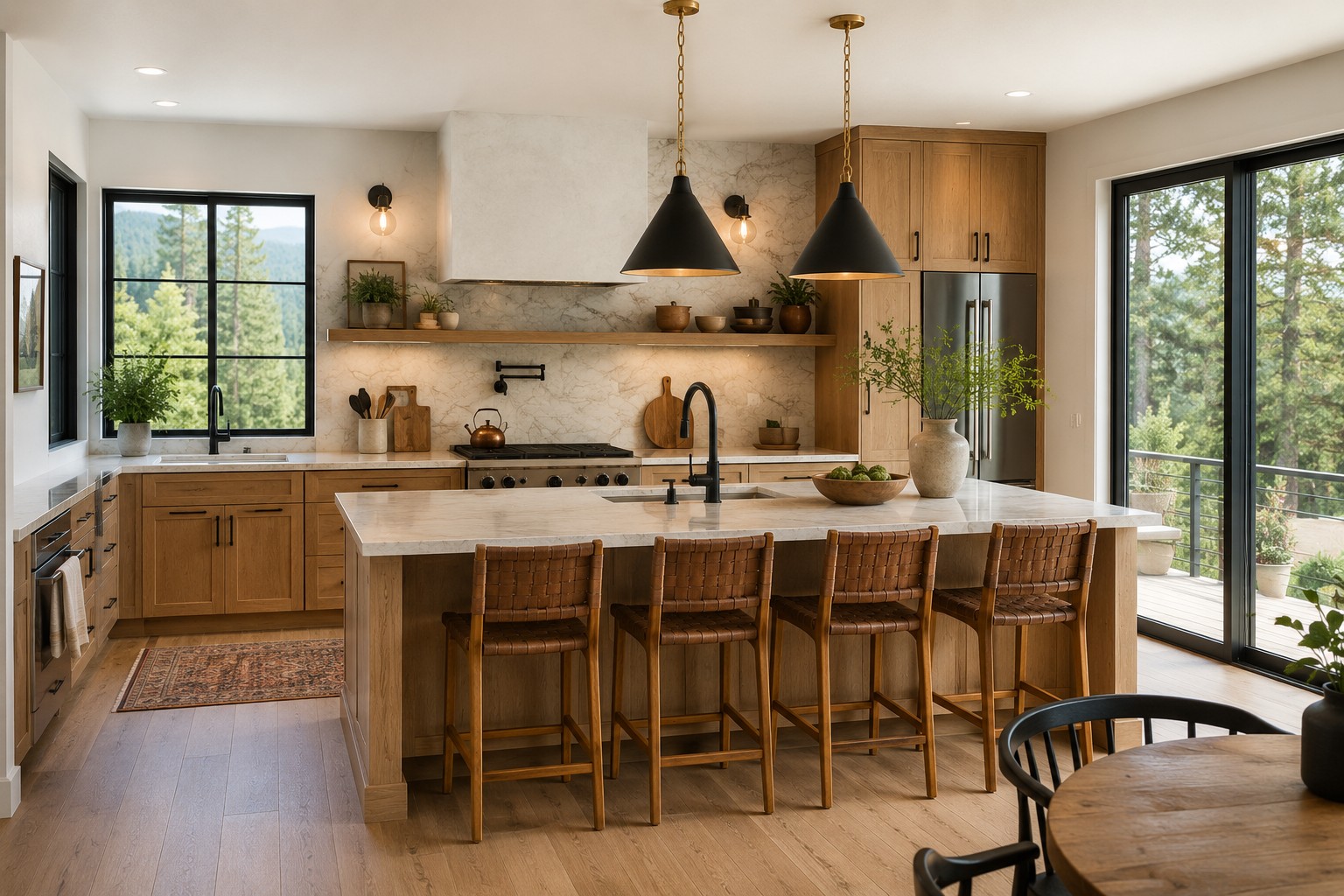
Transform your kitchen into a beautiful, functional space designed for everyday living.
- Custom Kitchen Design – Create a layout that fits your style and needs.
- Quality Craftsmanship – Cabinets, countertops, flooring, tile, and finishes.
- Modern Upgrades – New lighting, plumbing, appliances, and fixtures.
- Complete Project Management – From planning and permits to the final walkthrough.
KITCHEN REMODEL
PLANNING & DESIGN – decide on layout changes, style, materials, appliances, and budget.
DEMOLITION – remove some or all old appliances, countertops, cabinets, and sometimes drywall or flooring.
PLUMBING & ELECTRICAL – pipes may be moved or upgraded for dishwasher and sinks, as perhaps the washer/dryer. Electrical work includes lighting, electrical outlets, and ventilation systems.
STRUCTURAL – walls, ceilings and floors may be moved or reinforced as needed or for aesthetic reasons.
APPLIANCE INSTALLATION– stove, oven, sink disposal, refrigerator etc.
FLOORING & TILE – installation, waterproofing, paint, and other finishes are added to walls and floors for durability and style.
COUNTERTOPS / CABINETRY / HARDWARE INSTALLATION
INSPECTION & CLEANUP – everything is checked to ensure it works properly, meets code, and the space is cleaned and ready to use.
Bathroom Remodeling
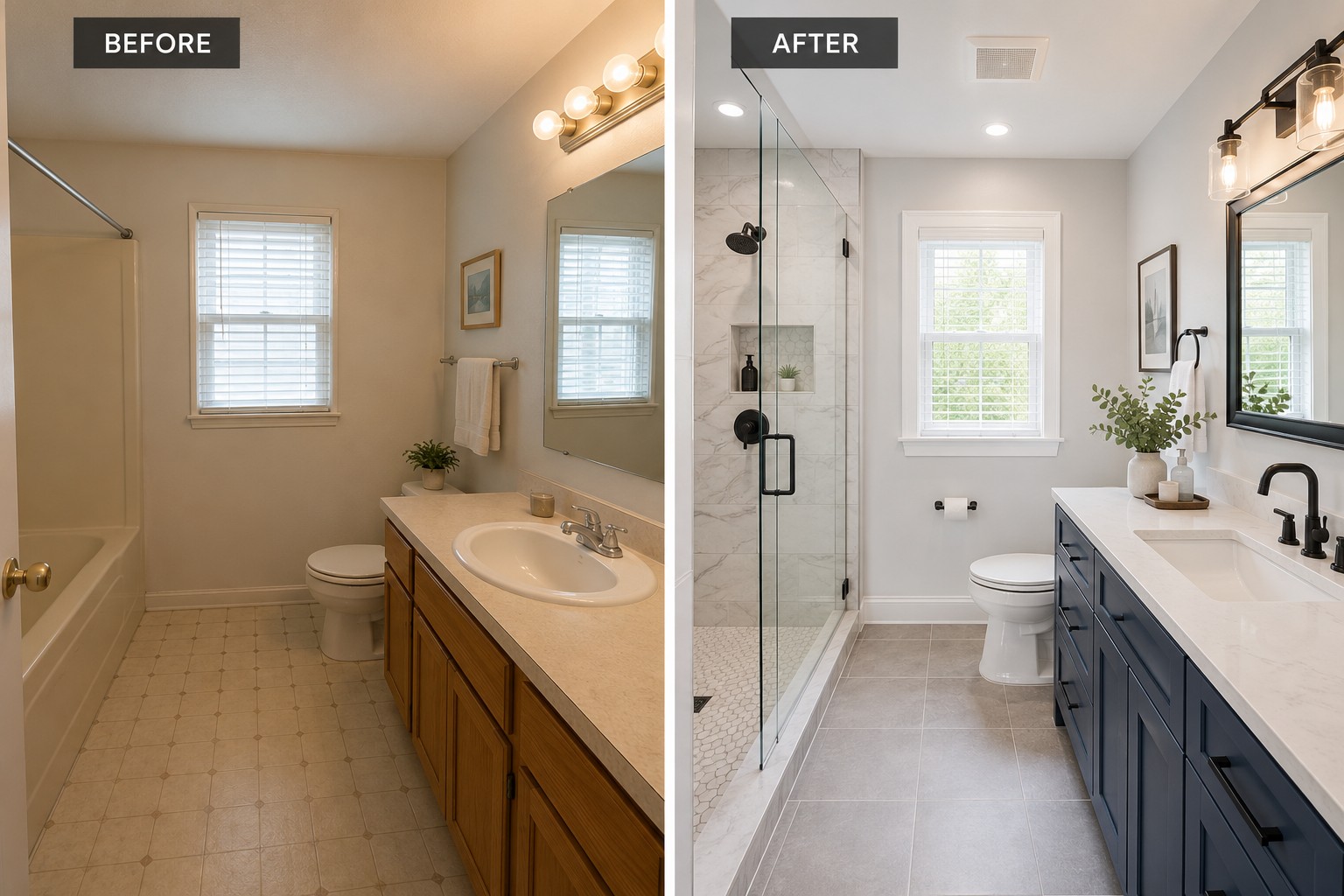
Create a beautiful, comfortable bathroom designed for your lifestyle.
- Custom Bathroom Design – Showers, tubs, vanities, and layouts tailored to your needs.
- Quality Craftsmanship – Tile, flooring, fixtures, lighting, and finishes.
- Modern Upgrades – Plumbing, electrical, ventilation, and stylish new features.
- Complete Project Management – From design and permits to the final walkthrough.
BATHROOM REMODEL
PLANNING & DESIGN – decide on layout changes, style, materials, fixtures, and budget. This includes choosing things like tile, vanity, lighting, and color scheme.
DEMOLITION – remove some or all old fixtures, tiles, cabinets, and sometimes drywall or flooring.
PLUMBING & ELECTRICAL – pipes may be moved or upgraded for sinks, toilets, and showers. Electrical work includes lighting, outlets, and ventilation systems.
STRUCTURAL – walls may be moved or reinforced, especially if you’re expanding the space or changing the layout.
FIXTURE INSTALLATION – new items like the bathtub, shower, toilet, sink, and vanity are installed.
FLOORING & TILE – installation, waterproofing, paint, and other finishes are added to walls and floors for durability and style.
FINISHINGS – mirrors, lighting fixtures, hardware, and accessories are installed to complete the look.
INSPECTION & CLEANUP – everything is checked to ensure it works properly, meets code, and the space is cleaned and ready to use.
DOORS & WINDOWS
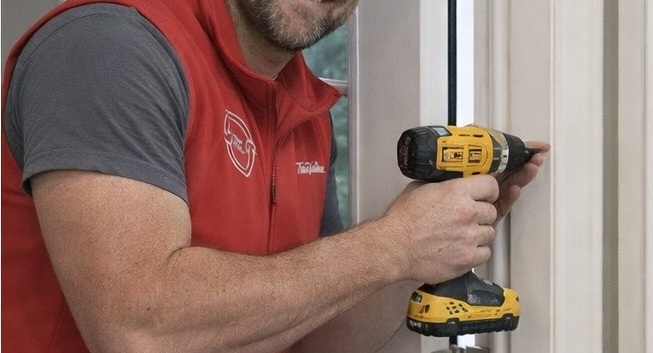
INITIAL CONSULTATION – meet with clients to understand needs (energy efficiency, style, security), inspect existing doors/windows for damage, leaks, or poor fit, take precise measurements for replacements or new installations
PLANNING & PRODUCT SELECTION – recommend door and window types (vinyl, wood, fiberglass, etc.), help choose styles (sliding, casement, double-hung, entry doors, patio doors), provide cost estimates and timelines, ensure selections meet local building codes and energy standards
PREPARATION & REMOVAL – framing for rot, mold, or structural issues, repair or reinforce framing as needed
INSTALLATION – install new doors and windows with proper alignment, secure units to ensure structural stability, apply flashing, sealing, and insulation to prevent air/water leaks
WEATHERPROOFING & EFFICIENCY – seal gaps with caulking and insulation, install weatherstripping, ensure energy-efficient performance (tight seals, proper glazing)
FINISH WORK – install trim (interior and exterior), patch drywall or siding around openings, paint or stain as needed for a finished look
HARDWARE & FUNCTIONALITY – install locks, handles, hinges, and tracks, adjust for smooth opening and closing, test security features
PROJECT MANAGEMENT – order materials and coordinate deliveries, schedule and oversee any helpers or subcontractors, keep project on time and within budget
FINAL INSPECTION & CLEANUP – test all doors and windows for proper operation, ensure everything is sealed and code-compliant, clean up debris and remove old materials, walk through the finished work with the client
POST-PROJECT SUPPORT – provide warranty information, offer maintenance tips, handle any follow-up adjustments or repairs
Doors & windows
Enhance your home’s beauty, comfort, and energy efficiency.
- Door & Window Installation – Professional installation for a perfect fit.
- Improve Energy Efficiency – Reduce drafts and help lower energy costs.
- Enhance Security & Curb Appeal – Beautiful, durable doors and windows that protect your home.
- Quality Installation – Expert craftsmanship with weather-tight, long-lasting results.
Flooring Installation
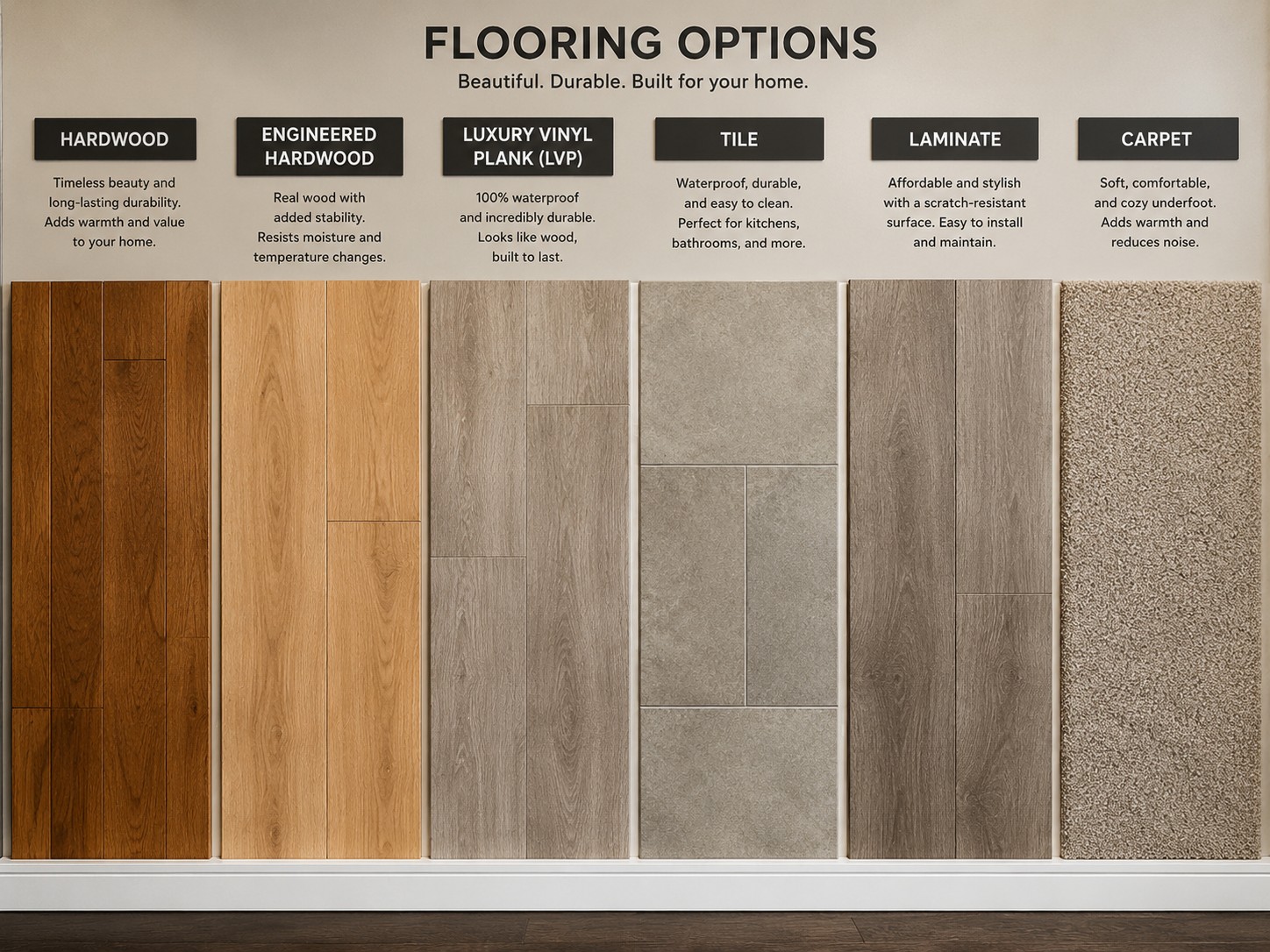
Enhance your home with beautiful, durable flooring professionally installed.
- Wide Selection of Flooring – Hardwood, luxury vinyl, laminate, tile, and carpet.
- Expert Installation – Precision craftsmanship for a beautiful, lasting finish.
- Built for Everyday Living – Durable flooring that fits your lifestyle and budget.
- From Selection to Completion – We handle every step of your flooring project.
FLOORING
CONSTRUCTION & PLANNING – Meet with clients to understand style, usage, and budget, recommend flooring types (hardwood, laminate, tile, vinyl, carpet, etc.), measure spaces and assess subfloor conditions, provide estimates and timelines
MATERIAL SELECTION – help select colors, patterns, and materials, order flooring and necessary supplies, plan layout and design (direction, patterns, transitions)
SITE PREP – remove existing flooring (tile, carpet, wood, etc.), inspect and repair subfloor (leveling, patching, moisture barriers), clean and prep surface for installation
INSTALLATION – install flooring materials according to type: (1) hardwood (nail-down, glue-down, or floating); (2) tile (layout, cutting, mortar, grout); (3) vinyl/laminate (click-lock or adhesive); (4) carpet (padding, stretching, securing), cut and fit materials around walls, corners, and fixtures
DETAILING & FINISHING – install baseboards, trim, and transition strips, sand and refinish hardwood (if applicable), seal grout or apply protective coatings
QUALITY CONTROL – ensure level, secure, and properly aligned flooring, check for gaps, uneven areas, or defects, make adjustments for a professional finish
CLEANUP & WALKTHROUGH – remove debris and leftover materials, clean the new flooring surface, walk through the project with the client
MAINTENANCE & SUPPORT – provide care and maintenance instructions, offer repair or refinishing services if needed, address any post-installation issues
Dry Rot & Plaster Repair
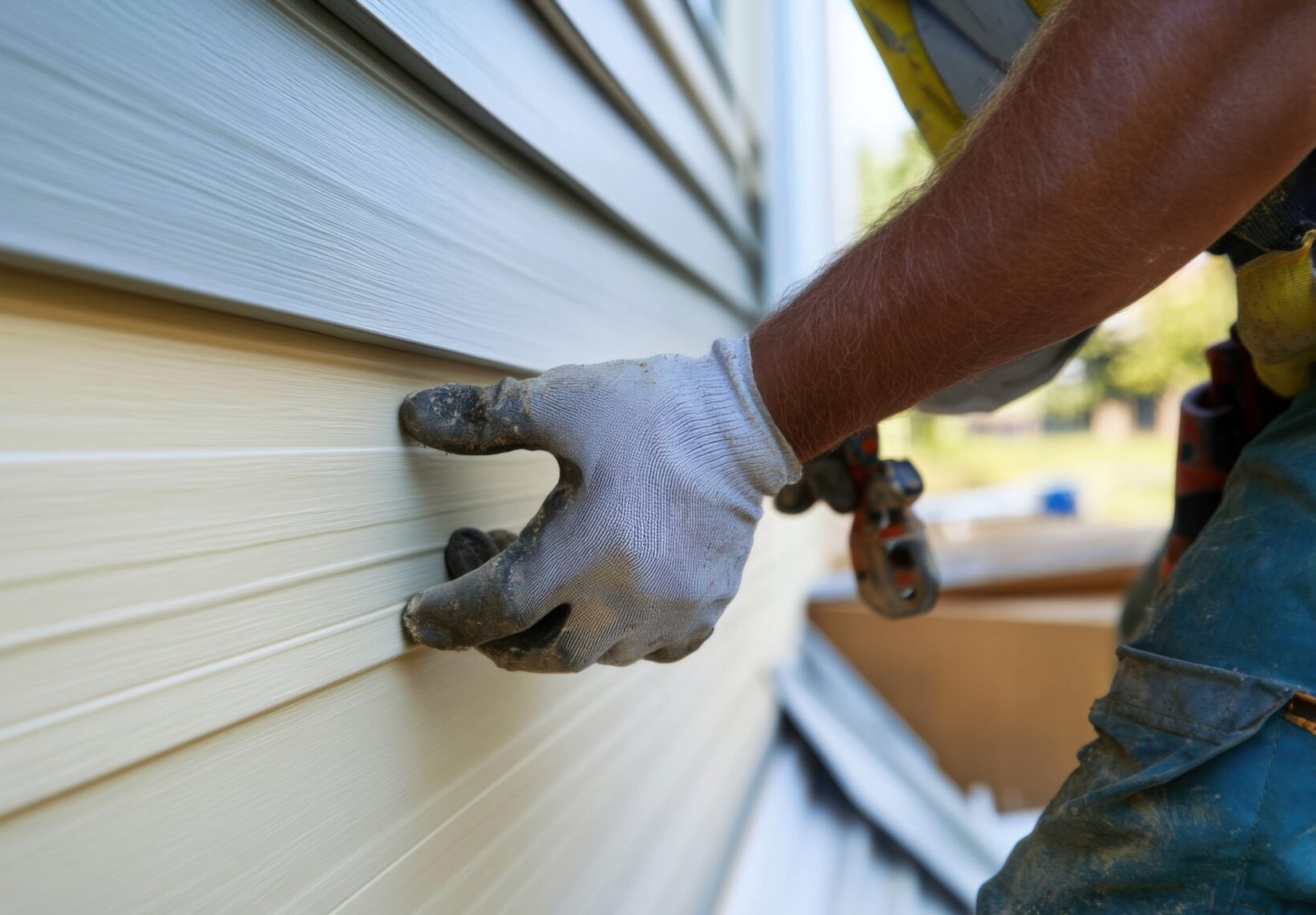
Protect your home by repairing damage before it becomes a bigger problem.
- Stop Damage Early – Repair dry rot before it spreads.
- Restore Walls & Woodwork – Repair damaged plaster, trim, and structural wood.
- Prevent Moisture Problems – Address water damage to help avoid future repairs.
- Protect Your Home – Preserve your home’s beauty, safety, and value.
DRY ROT &
PLASTER REPAIR
PROTECT STRUCTURAL INTEGRITY – dry rot is caused by fungi that break down wood, weakening beams, floors, and framing. If left untreated, it can spread and compromise the strength of your home.
STOP THE SPREAD OF DAMAGE – dry rot doesn’t stay in one place—it can travel through wood and even behind walls. Repairing it early prevents it from spreading and causing more extensive (and expensive) damage.
PREVENT MOISTURE PROBLEMS – both dry rot and damaged plaster are often linked to excess moisture. Fixing them helps address leaks, poor ventilation, or damp conditions before they lead to mold or further decay.
MAINTAIN HEALTHY INDOOR ENVIRONMENT – damaged plaster can crack, crumble, and collect dust or mold, affecting indoor air quality. Repairs help keep your home cleaner and healthier.
DRY ROT & PLASTER REPAIR
PROTECT STRUCTURAL INTEGRITY – dry rot is caused by fungi that break down wood, weakening beams, floors, and framing. If left untreated, it can spread and compromise the strength of your home.
STOP THE SPREAD OF DAMAGE – dry rot doesn’t stay in one place—it can travel through wood and even behind walls. Repairing it early prevents it from spreading and causing more extensive (and expensive) damage.
PREVENT MOISTURE PROBLEMS – both dry rot and damaged plaster are often linked to excess moisture. Fixing them helps address leaks, poor ventilation, or damp conditions before they lead to mold or further decay.
MAINTAIN HEALTHY INDOOR ENVIRONMENT – damaged plaster can crack, crumble, and collect dust or mold, affecting indoor air quality. Repairs help keep your home cleaner and healthier.
WATER HEATERS
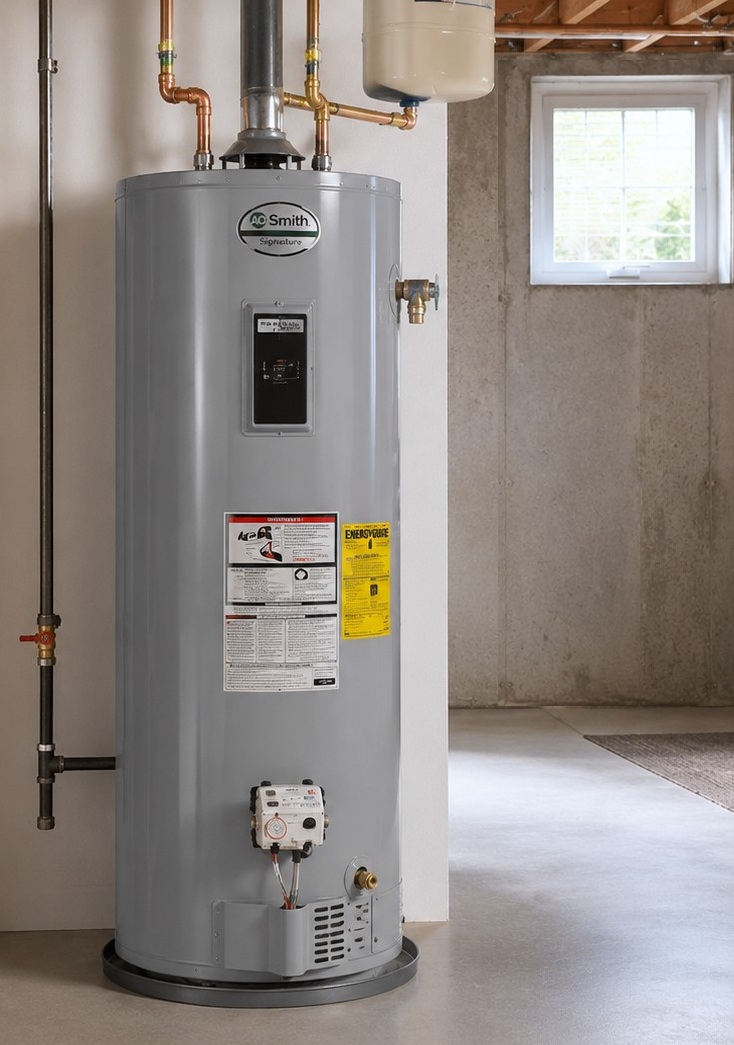
SAFETY
- Ensure installation meets local plumbing and building codes
- Install safety features like temperature/pressure relief valves
- Add seismic straps (esp. important in CA)
- Pull permits and coordinate inspections when required
INSTALLATION + UPGRADE
- Install new water heaters (tank or tankless systems)
- Remove and dispose of old units
- Connect water supply lines, gas lines, or electrical wiring
- Ensure proper venting for gas-powered systems
- Secure the unit and test for safe operation
- Upgrade to energy-efficient or tankless systems
- Convert between gas and electric units (if feasible)
- Install expansion tanks or pressure regulators
- Integrate smart controls or timers
MAINTENANCE
- Perform annual inspections and preventative maintenance
- Check and replace anode rods to prevent corrosion
- Clean/descale tankless systems
- Extend the lifespan and efficiency of the unit
- Diagnose issues like no hot water, leaks, or strange noises
- Repair or replace faulty components (thermostats, heating elements, valves)
- Relight pilot lights or fix ignition systems
- Flush tanks to remove sediment buildup
WATER HEATERS
INSTALLATION + UPGRADE
- Install new water heaters (tank or tankless systems)
- Remove and dispose of old units
- Connect water supply lines, gas lines, or electrical wiring
- Ensure proper venting for gas-powered systems
- Secure the unit and test for safe operation
- Upgrade to energy-efficient or tankless systems
- Convert between gas and electric units (if feasible)
- Install expansion tanks or pressure regulators
- Integrate smart controls or timers
MAINTENANCE
- Perform annual inspections and preventative maintenance
- Check and replace anode rods to prevent corrosion
- Clean/descale tankless systems
- Extend the lifespan and efficiency of the unit
- Diagnose issues like no hot water, leaks, or strange noises
- Repair or replace faulty components (thermostats, heating elements, valves)
- Relight pilot lights or fix ignition systems
- Flush tanks to remove sediment buildup
SAFETY
- Ensure installation meets local plumbing and building codes
- Install safety features like temperature/pressure relief valves
- Add seismic straps (especially important in California)
- Pull permits and coordinate inspections when required
“Super Happy”
Super happy with the job Chris and Ron did last week. Great communication, great workers and just great people!
~ George B
“Excellent customer Care”
Thank you for all your work at our cabin. It was so nice to arrive and see all the work we talked about completed! We appreciate you keeping us updated daily with pictures. We have a friend we will be referring to you, and we will be calling you again!
~ Diana and Carl G
“Went Above & Beyond”
Chris showed up on short notice and did a great job pressure washing my driveway and parking area. He did some extra cleaning above and beyond what was needed. He was very courteous and a pleasure to deal with
~ Ramon M